
From the moment a baby is born, they are instinctively held—fed, rocked, soothed, wrapped in love. And the mother? She is holding it all. The emotions, the exhaustion, the weight of a love so big it almost hurts.
But who is holding the mother?
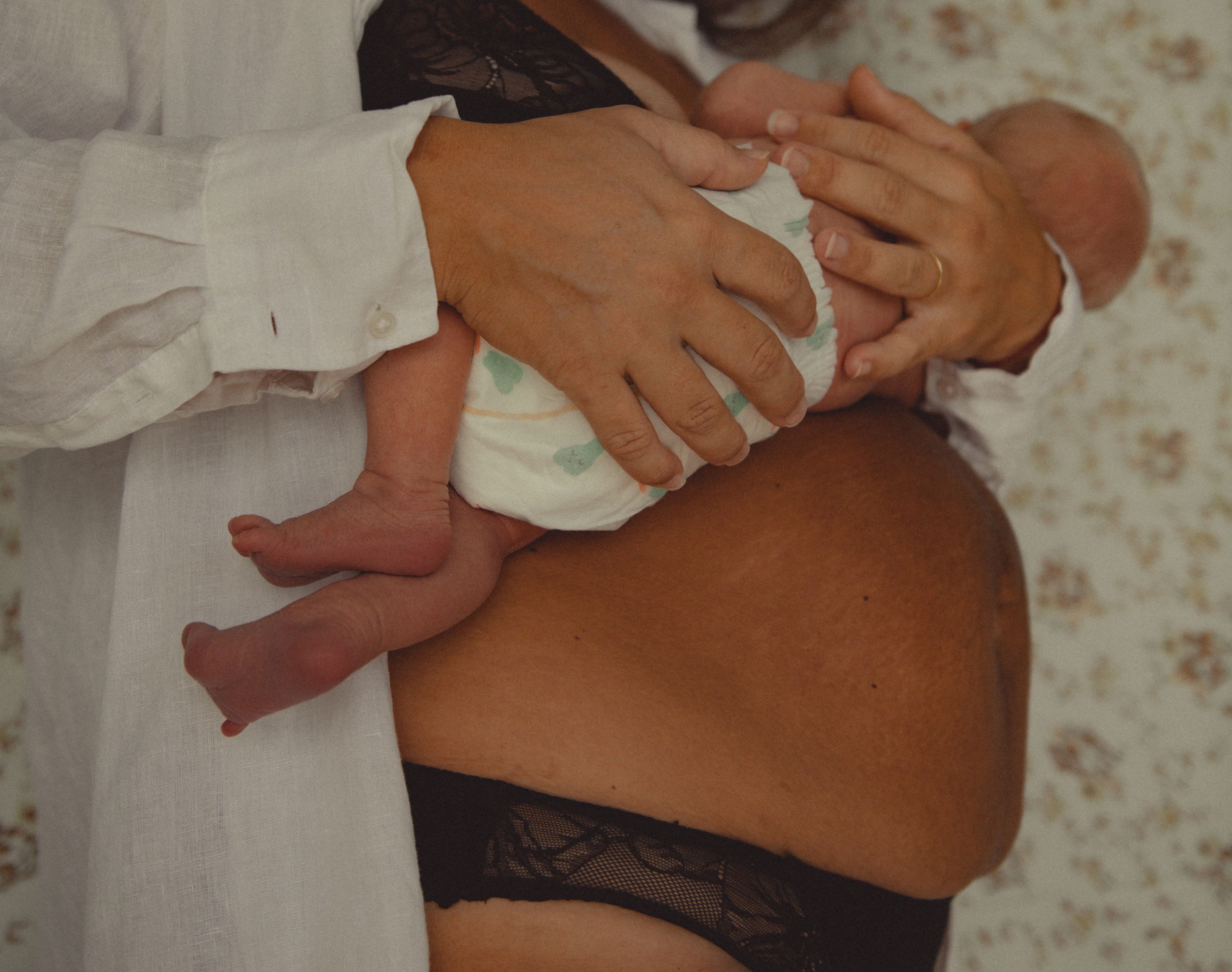
From Baby-Centric to Mother-Centric Postpartum
Somewhere along the way, postpartum became all about the baby.
“How’s the baby sleeping?”
“Are they feeding well?”
“Are they settled?”
Mothers are asked these questions over and over again, yet how often does someone stop to ask:
“How are you feeling?”
“Are you eating well, sleeping enough, feeling supported?”
“What do you need right now?”
In many traditional cultures, postpartum has always been mother-centric. New mothers are cared for, fed nourishing meals, encouraged to rest, and surrounded by their village. Their recovery is prioritised because a thriving mother means a thriving baby.
But in Western culture, postpartum has become something to "bounce back" from. We glorify independence, celebrate mothers who "do it all," and forget that motherhood is a massive transformation—one that deserves just as much care and attention as birth itself.
It’s time for a cultural shift—one where we focus less on how quickly a mother can “get back to normal” and more on how well she is held, supported, and nurtured through this transition.
Because a mother isn’t just recovering from birth—she is being reborn.
The Weight of Postpartum
Postpartum is huge. The shift—physically, emotionally, mentally—is like nothing else.
We talk a lot about holding the baby—skin-to-skin, responsive feeding, babywearing, contact naps. But we don’t talk enough about holding the mother.
The world keeps spinning after a baby is born. Life moves forward. But for the mother, everything has changed.
She is recovering from birth. She is bleeding, leaking, swollen, sore.
Her hormones are shifting. Her nervous system is rewiring.
She is learning to mother while still learning who she is now.
And yet, in those early weeks, all the focus is on the baby.
Is the baby feeding? Sleeping? Gaining weight? Settling?
But who is holding the mother?
The Moment It Hit Me
A few days postpartum, my daughter was asleep on the bed, and I took a moment to shower. When I came out, my husband was lying next to her, half asleep. I climbed into bed between them, and he wrapped me in a hug.
And I just started sobbing.
“Oh Pal, what’s wrong?” he asked.
But nothing was wrong. I was happy. I was okay. I was just exhausted—physically, emotionally, in ways I had never felt before.
From the second she was born, I had been holding her. Every ounce of my love, awareness, attention, and protection was poured into this tiny little baby.
And in that moment, I realised how much I needed to be held too.
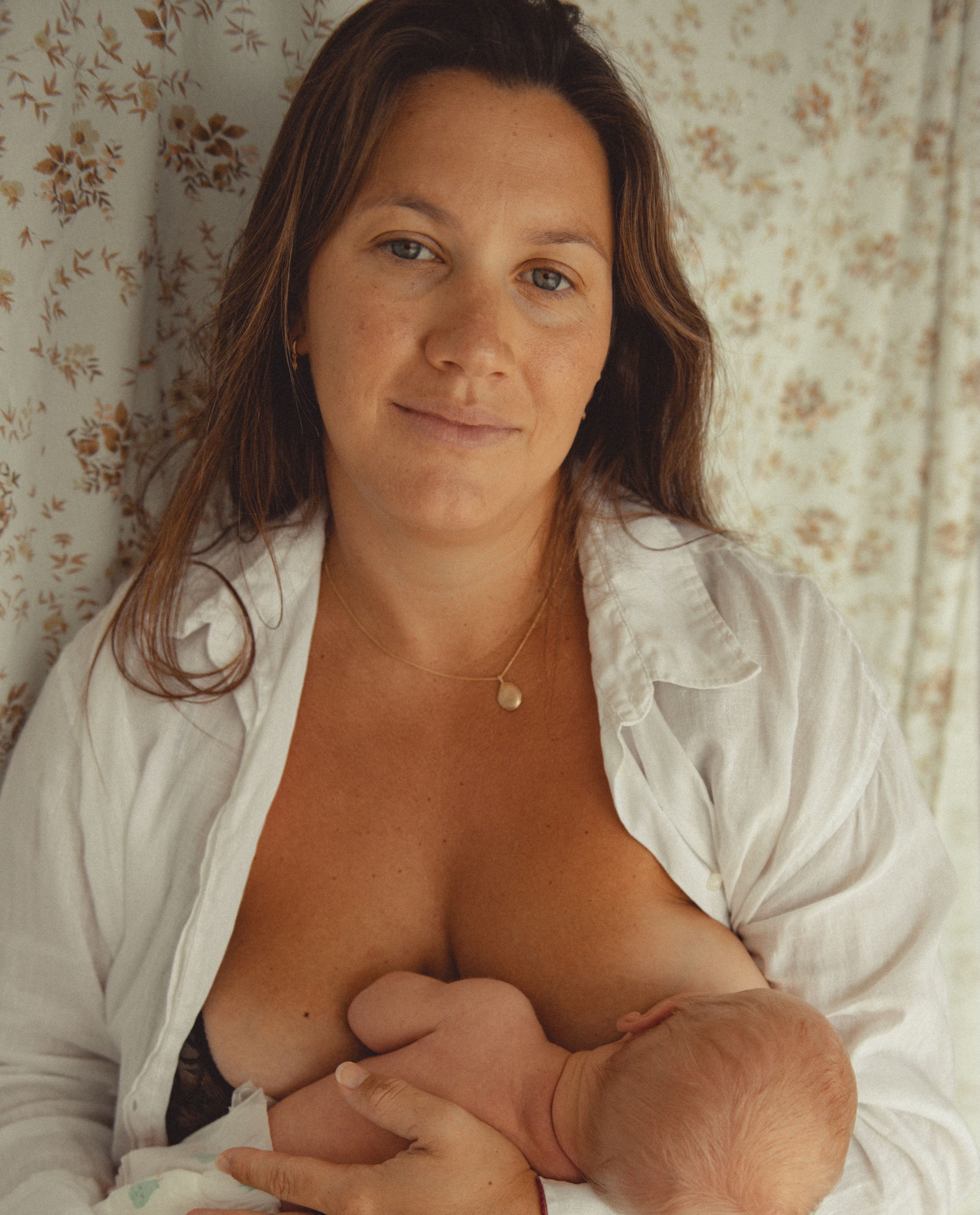
Matrescence: The Becoming of a Mother
That moment, lying in bed, sobbing in my husband’s arms, wasn’t just exhaustion. It was Matrescence—the process of becoming a mother.
The moment the penny dropped that I was never going to be my old self again.
Matrescence is often compared to adolescence—because just like puberty, it is a hormonal, psychological, emotional, and identity transformation.
You are no longer who you were before, but you’re not quite sure who you are yet either.
It’s messy. It’s beautiful. It’s overwhelming.
And in a world that rushes new mothers back to normal, that tells them to bounce back, to be grateful, to hold their babies but not too much—it can feel incredibly lonely.
You Never Get That First Postpartum Back
Yes, we are forever changing and evolving as mothers. We grow and we learn. But that initial transition from maiden to mother? That only happens once.
Hindsight is a beautiful thing. We don’t know what we don’t know. But that’s what a village is for, right?
A village shares wisdom, stories, support, and nourishment. A village doesn’t just hold the baby—it holds the mother too.
Imagine if all first-time mamas had true preparation, care, and support around them.
Imagine if they had meals dropped at their door.
Imagine if they had people reminding them to rest (and facilitating it too).
Because the transition into motherhood isn’t meant to be done alone.
A Call for Change
We are at a turning point. Mothers are speaking up. They are questioning the expectations placed on them, challenging the pressure to do it all, and reclaiming postpartum as a time of deep rest, recovery, and support—not just for the baby, but for the mother too.
This isn’t about indulgence. It’s about survival. It’s about the difference between thriving and barely getting through. It’s not just about immediate health but the long-term impacts of neglecting new mothers.
The thing is, postpartum mums can’t postpartum themselves. The foundation of postpartum wellness is support. A call for change comes from a call to community. It requires the gathering of a village, a shared and collective effort to hold the mother while she holds her baby.
Right now, this responsibility is falling on mothers in the community.
Mothers, while barely surviving their own motherhood experience, are stepping up—giving their time, energy, and love to hold the new mothers around them. They are the ones dropping meals, checking in, offering wisdom, showing up in ways they know matter.
And it’s incredible. But where are the maidens?
So often, the maidens—the women who have not yet crossed into motherhood—are eager to hold the baby. I was her. Desperate to meet my new baby niece, showing up empty handed, oblivious to the needs of my sister-in-law.
When I stop to think why, I realise it’s because that was modelled to me. It’s all I knew. It’s how I showed up as a child when our extended family grew.
We need to bring this conversation out of the motherhood bubble.
It was one of my biggest motivations for writing Village for Mama—not just to nourish postpartum mothers, but to educate those around them. To give friends, sisters, cousins, uncles, colleagues and neighbours a way to show up. To gently invite them into the conversation through the giving of meals, so they could understand what is happening, why it matters, and actually help.
Because support shouldn’t only come from those who have already been through it.
It should be woven into the way we care for each other.
Because when we hold the mother, we hold the whole family.